
What Should First-Time Communion Participants Know?

Taking communion for the first time is a significant moment, and it is completely natural to have questions or feel a little uncertain about what to expect. Understanding the basics beforehand can help you approach it with confidence and focus on what truly matters.
This article covers what communion is and why it holds such importance in the Christian faith, how to prepare your heart before participating, what the experience typically looks like during a church service, and answers to some of the most common questions first-timers ask.
What Is Communion and Why Does It Matter?
Communion, also called the Lord’s Supper or the Eucharist depending on the church tradition, is a practice that traces back to the night before Jesus was crucified. During the Last Supper, Jesus broke bread and shared wine with his disciples, instructing them to continue this practice in remembrance of him. Christians around the world have honored that instruction for over two thousand years.
The bread represents the body of Christ, broken for humanity, while the cup represents his blood, shed for the forgiveness of sins. Together, they are a physical reminder of the sacrifice at the center of the Christian faith. Rather than being merely symbolic for some traditions or deeply sacramental for others, communion carries weight across the full spectrum of Christian belief.
What makes this practice so meaningful is that it is both personal and communal. While each person reflects individually on what Christ’s sacrifice means to them, the act of sharing these elements together reinforces the unity of believers as one body. For someone receiving communion for the first time, stepping into that shared tradition is a powerful experience.
How to Prepare Before the Service
Most churches encourage participants to come to the Lord’s Table with a spirit of reflection and sincerity. This means taking a few moments beforehand to think honestly about your relationship with God, any ways you may have fallen short, and your gratitude for the grace offered through Christ. This is sometimes referred to as “examining yourself,” a phrase drawn from 1 Corinthians 11.
Preparation does not require perfection. In fact, the whole point of the first communion experience is to acknowledge your need for grace, not to demonstrate that you have it all together. Coming with a humble and open heart is really all that is asked of you. Some people find it helpful to pray quietly in the moments before the elements are distributed.
It is also worth familiarizing yourself with your specific church’s practices beforehand. Some churches open communion to all baptized believers, while others may restrict it to members of their congregation or those who have completed a confirmation process. A quick conversation with a pastor or church member ahead of time removes any uncertainty on the day.
What to Expect During the Service
Communion services vary from church to church, but most follow a recognizable pattern. A pastor or leader will typically read from scripture, offer a prayer of thanksgiving, and then distribute the elements. In some settings this happens at the front of the church, while in others the elements are passed through the rows of seating.
When new to taking communion, it helps to simply follow the lead of those around you. If people are waiting before eating or drinking, wait with them. Many churches observe a moment of unity where everyone partakes together. The atmosphere is usually quiet and reflective, so there is no need to feel rushed or self-conscious.
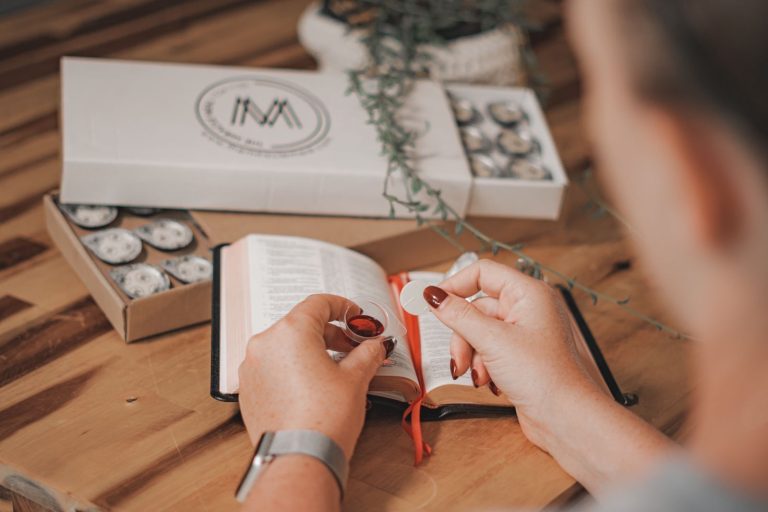
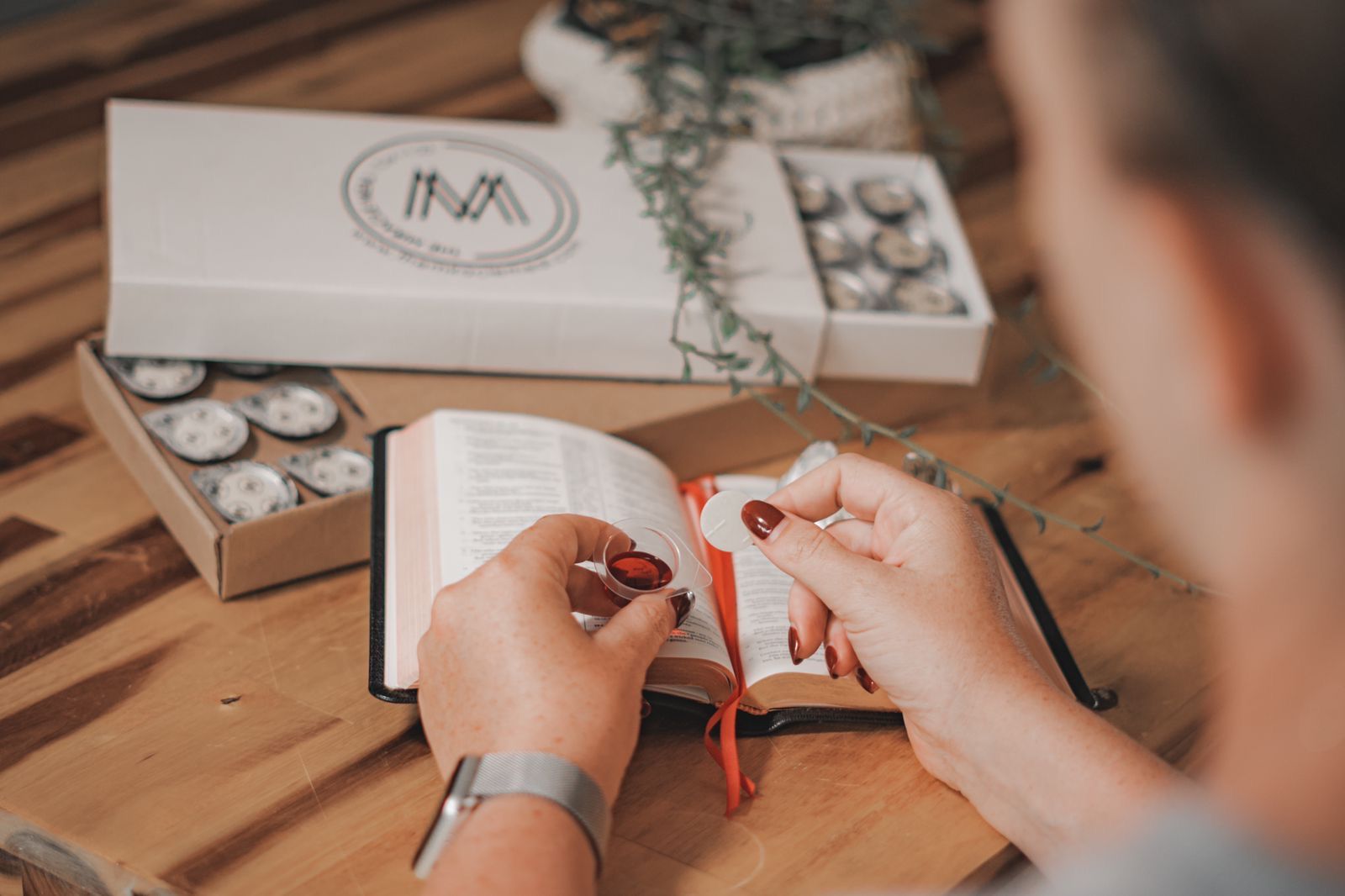
The physical elements themselves differ by church as well. Some use a loaf of bread that is broken and passed, while others use individual wafers. Grape juice and wine are both used across different traditions, and pre-filled individual cups have become widely used in many modern and larger congregation settings for reasons of hygiene and convenience.
Common Questions First-Timers Often Ask
One of the most common concerns is whether someone is “allowed” to take communion. Most Protestant churches welcome anyone who has made a personal commitment to follow Christ. If you are unsure, it is never rude to ask your church leader ahead of time. They will always be happy to guide you.
Another question that often comes up is what to do if you feel spiritually unprepared. The honest answer is that no one is ever fully prepared, and that vulnerability is part of what makes the practice so meaningful. What matters is sincerity, not spiritual perfection.
Finally, people sometimes wonder whether it matters if they feel emotional or not. There is no right or wrong emotional response. Some people feel moved to tears during their first time receiving communion, while others feel a quiet, settled peace. Either way, what matters is the intention of the heart, not the feeling in the moment.
In Conclusion
Participating in communion for the first time is a deeply meaningful step in the life of a believer. By understanding its biblical roots, preparing your heart in advance, knowing what the service will look like, and having your practical questions answered, you can approach the experience with confidence rather than anxiety. The focus, as it has always been, is simply on Christ and what he accomplished.
If your church or organization is planning a communion service and needs reliable, high-quality elements to make the experience seamless, we are here to help. At The Miracle Meal, we specialize in premium pre-filled communion cups for congregations and events of every size. Visit our website to place your order and let us take care of the logistics so you can focus on the moment that matters most.