
Why Do Nursing Homes and Hospices Need Individual Communion Kits?

For many residents in nursing homes and hospice care, faith remains a deeply personal source of comfort. Communion is one of the most meaningful spiritual practices, and finding ways to bring it directly to those who can no longer attend church services matters more than most people realize.
In this article, we’ll explore the unique challenges that nursing homes and hospices face when offering communion, the health and safety benefits of individually packaged elements, how these kits support bedside ministry, and why convenience plays such a big role in keeping this tradition alive for residents and their families.
The Unique Spiritual Needs of Care Facility Residents
Residents in nursing homes and hospices often experience a painful disconnect from the routines and communities that once defined their daily lives. For people of faith, losing the ability to attend weekly church services can feel like losing a part of their identity. Communion, in particular, carries deep spiritual significance that doesn’t fade simply because someone has moved into a care setting.
Chaplains, visiting pastors, and volunteer ministers frequently serve communion in these environments, but the logistics can be tricky. Unlike a traditional church service with a fixed schedule and a prepared altar, communion in a care facility might happen at a bedside, in a common room, or even in a memory care unit. The setting is unpredictable, and the needs of each resident vary widely.
This is exactly why individual communion kits for care facilities have become so important. They allow spiritual caregivers to offer communion in a way that’s respectful, personal, and adaptable to the realities of elder care. Each resident receives their own sealed elements, making the experience feel intentional rather than improvised.
Health and Safety Considerations
Infection control is a top priority in any nursing home or hospice. Residents in these settings often have weakened immune systems, chronic illnesses, or conditions that make them especially vulnerable to communicable diseases. Sharing a common cup or passing bread from hand to hand simply isn’t practical or safe.
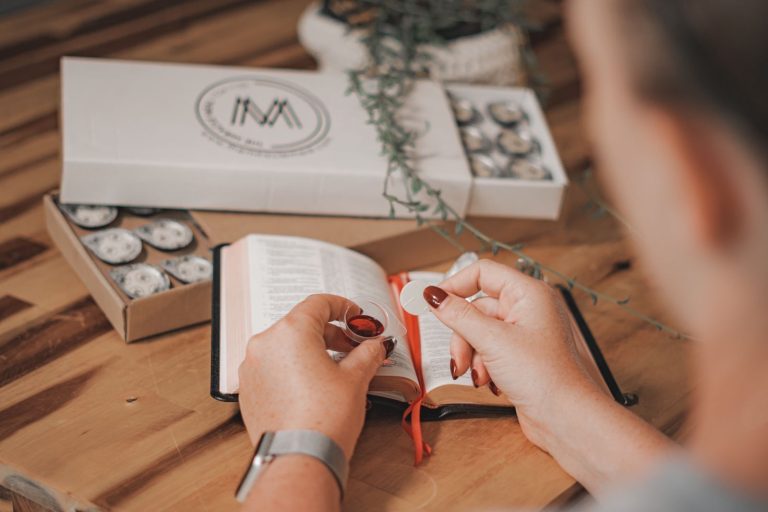
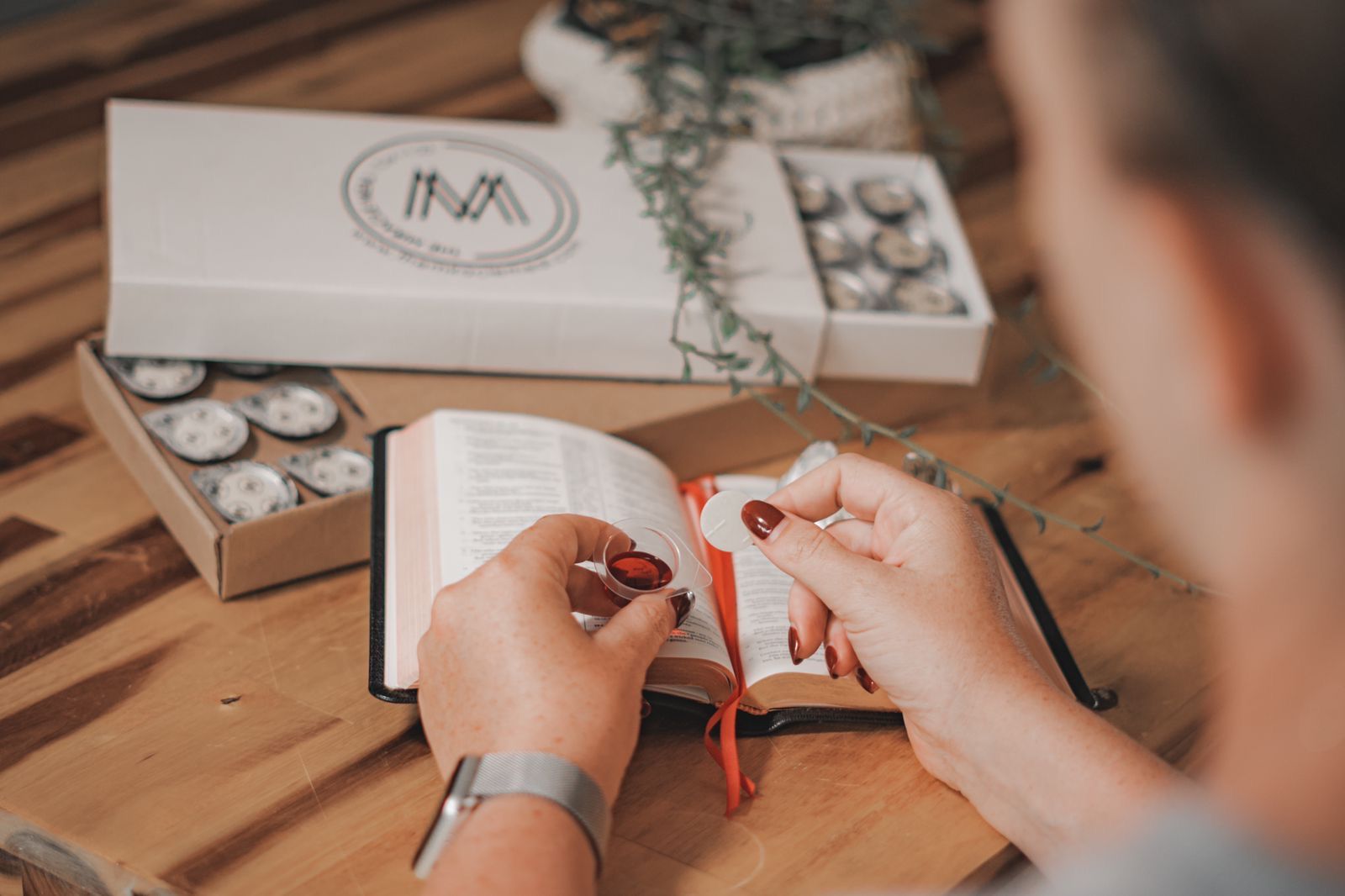
Pre-filled communion cups in hospice and nursing home settings solve this problem entirely. Each kit comes individually sealed, containing both the juice and the wafer in a single, self-contained package. There’s no risk of cross-contamination, no need for someone to handle open food items, and no extra sanitation steps beyond normal disposal.
Beyond infection prevention, individual kits also help facilities stay compliant with health department guidelines. Many care homes follow strict food handling protocols, and sealed, commercially produced communion elements meet those standards without any extra effort from staff. It’s a simple solution that protects both residents and caregivers.
Supporting Bedside and One-on-One Ministry
Not every resident can make it to a group gathering, even within the facility itself. Some are bedridden. Others may be in the final stages of life and receiving comfort care. For these individuals, bedside communion is one of the most powerful acts of ministry a chaplain or pastor can offer.
Individual communion kits make bedside visits simple and meaningful. A minister can carry several kits in a pocket or small bag, ready to serve communion at a moment’s notice. There’s no preparation required, no need to bring separate containers of juice and bread, and no cleanup afterward. The focus stays entirely on the spiritual moment shared between the caregiver and the resident.
Family members often participate in these bedside communion moments as well, especially during end-of-life care. Having a kit for each person in the room allows everyone to take part without any awkwardness or logistical fumbling. It turns what could be a complicated situation into a peaceful, unified experience.
Convenience for Staff and Volunteers
Nursing homes and hospices operate on tight schedules with limited staff. Adding complicated communion preparation to the workload isn’t realistic. Single-serve communion elements for elderly care remove that burden entirely, giving staff and volunteers a grab-and-go option that requires zero setup.
Storage is another practical advantage. Individual kits are compact, shelf-stable, and easy to keep on hand in bulk. A facility can store them in a supply closet or chaplain’s office and know they’ll be ready whenever the need arises, whether that’s a planned weekly service or an unexpected pastoral visit.
Volunteers who may not have formal ministry training also benefit from the simplicity of individual kits. There’s no guesswork about portions, no worry about spilling juice, and no need to figure out how to serve communion “correctly.” The kits make it possible for anyone with a willing heart to facilitate a meaningful communion experience.
In Conclusion
Nursing homes and hospices serve some of the most vulnerable members of our communities, and spiritual care is a vital part of their well-being. Individual communion kits address the practical challenges of health, safety, convenience, and bedside ministry all at once, ensuring that no resident is left out of this sacred tradition simply because of their physical limitations.
If your facility or ministry serves residents in nursing homes or hospice care, our pre-filled communion cups make it easy to bring communion directly to those who need it most. Visit our website to explore options for ordering in bulk, and let us help you keep this meaningful practice alive for every resident in your care.