
How Do Prison Ministries Handle Communion Services?

Faith does not stop at the prison gate. For many incarcerated men and women a worship gathering inside a correctional facility becomes one of the most meaningful parts of the week, and the sacrament of communion often sits at the very center of that experience. Sharing the bread and the cup is a powerful reminder that grace reaches into every corner of life, including places shaped by walls, locked doors and tight restrictions.
Bringing this sacred practice into a secure environment takes real thought and coordination. This article looks at why communion holds such weight for those who are incarcerated, how ministry teams operate within strict security rules, the central part chaplains and approved volunteers play, and the practical decisions that make these moments possible. Each piece fits together to create something that feels holy despite the setting.
Why Communion Holds Such Meaning Behind Bars
For someone serving a sentence, daily life can feel stripped of dignity and routine. The structure of incarceration leaves little room for personal choice, and many people describe a deep sense of being forgotten. A communion service pushes back against that feeling. It tells each participant that they still belong to a larger family of faith and that their spiritual life still matters.
There is also a strong message of forgiveness woven into the practice. Communion centers on the idea of redemption and a fresh start, which speaks directly to people who carry guilt and regret. For many, receiving the elements is the first time in years they have felt welcomed rather than judged. That sense of acceptance can become a turning point in how someone views themselves and their future.
Communion in correctional settings also builds genuine community. Worship behind bars can be one of the few spaces where men and women from different backgrounds come together peacefully. Sharing the same simple meal levels the room and reminds everyone present that they are united by something bigger than their circumstances.
Working Within Strict Security Requirements
Every item that enters a facility must pass through layers of approval, and communion supplies are no exception. Anything that could be turned into contraband, hidden or misused raises immediate concern for staff. Ministry teams quickly learn that what works in a typical church building will not always be permitted inside a secure unit, so flexibility becomes essential.
Alcohol is one of the clearest examples. Many facilities prohibit wine entirely, and where it is allowed it must be stored under lock, carefully measured and supervised at all times. Because of this, most teams serving the sacrament behind bars rely on grape juice instead. Sealed, single-serving elements are usually preferred because they reduce the risk of tampering and make it simple for officers to confirm that nothing has been altered.
Counting and accountability shape the entire process too. Supplies are often tallied before and after a service so that nothing is left behind or carried off. Glass is almost always banned, and loose elements that could be concealed are discouraged. Working with these limits is not a barrier to ministry so much as a framework that keeps everyone safe while still honoring the heart of the practice.
The Role of Chaplains and Approved Volunteers
The chaplain is the anchor of nearly all religious activity inside a facility. They schedule services, manage approvals and act as the bridge between security staff and outside ministry groups. Nothing tends to happen without their coordination, so building a strong relationship with the chaplain is the first step for any team hoping to offer communion within a prison ministry.
Volunteers play a vital part as well, but they must earn their access. Background checks, training and clearance procedures are standard, and volunteers are expected to understand and respect the rules of the institution. This protects both the staff and the people they serve, and it ensures that those leading worship are dependable and trustworthy over the long term.
Access can look very different depending on the unit. In open chapel settings, larger group services are possible. In segregation or solitary housing, a chaplain or minister may bring the elements cell by cell so that no one is left out. This adaptability shows how committed many teams are to making sure every willing participant has a chance to share in the sacrament.
Choosing Practical Communion Elements
Logistics matter enormously in this environment. Elements need to be easy to transport, easy to distribute and easy to account for once a service ends. Anything fragile, messy or difficult to inspect tends to create problems, so simplicity wins almost every time. Teams that plan ahead with the right supplies spend less time worrying about approvals and more time focused on ministry.
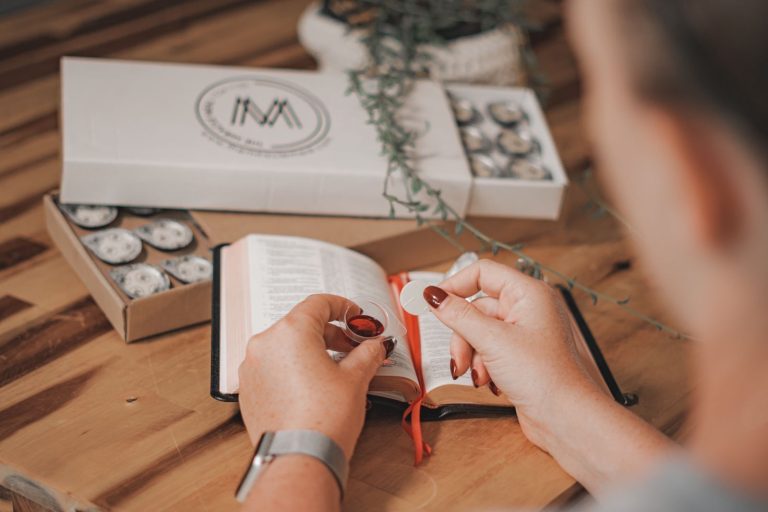
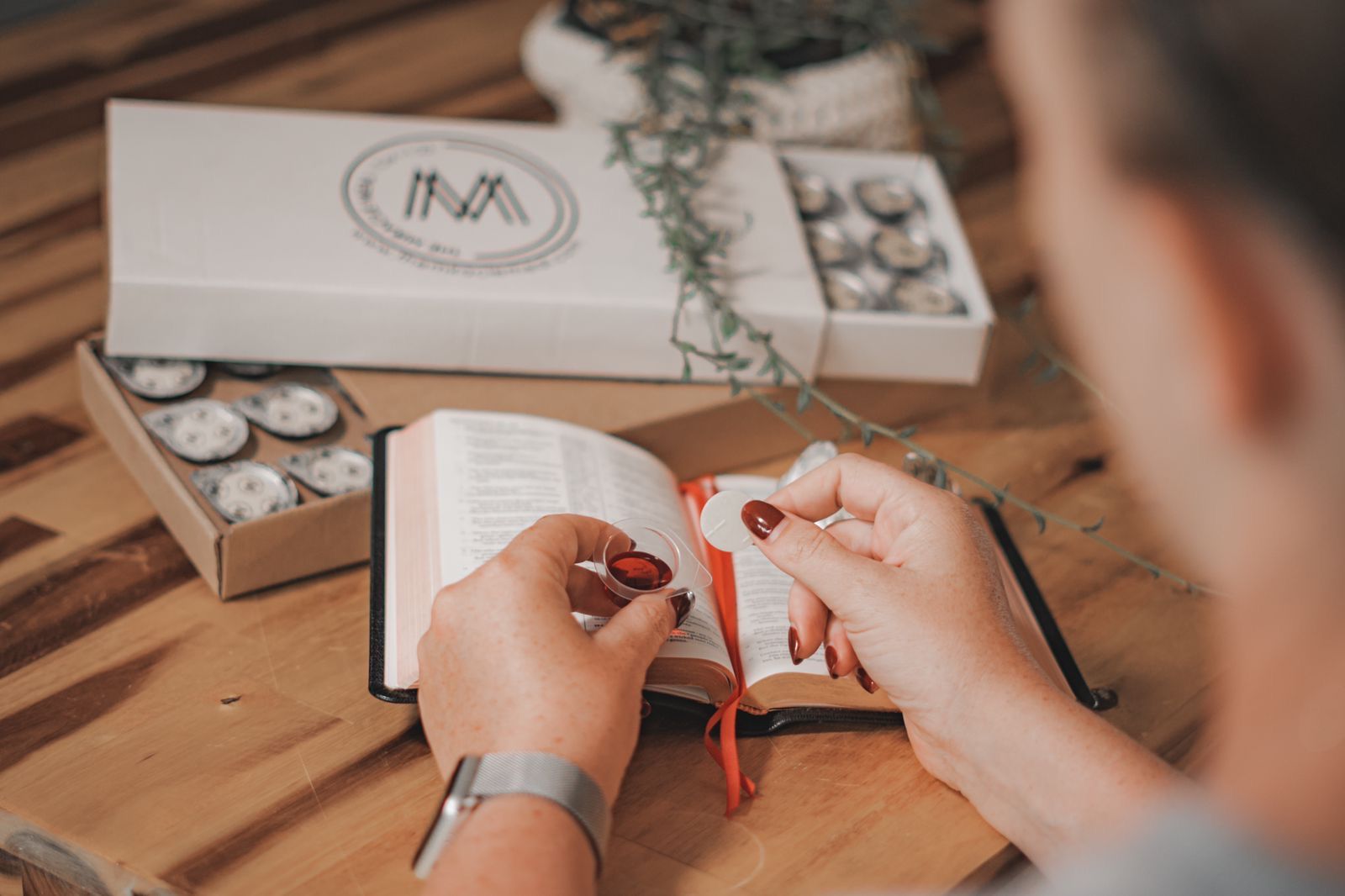
Pre-filled, sealed cups have become a popular solution for exactly these reasons. They contain both the juice and the wafer in one tidy package, which removes the need for open containers and reduces the chance of spills or contamination. Their sealed design also makes inspections faster, since staff can clearly see that each portion is intact and untouched.
Hygiene and dignity round out the picture. Serving each person their own clean, individual portion respects both health concerns and the seriousness of the moment. When the practical details are handled well, the people receiving communion can relax into the experience rather than feeling like an afterthought, and that quiet sense of care often speaks louder than any sermon.
In Conclusion
Offering communion inside a correctional facility blends deep spiritual purpose with careful practical planning. The sacrament brings hope, belonging and a message of forgiveness to people who need it dearly, while security rules, chaplain oversight and approved volunteers shape how it can be carried out. Choosing simple, sealed and easy to manage elements ties everything together and lets ministry teams focus on what truly matters.
If your team is preparing to bring communion into a correctional setting, we would love to support you with elements designed for exactly these moments. Our pre-filled communion cups are sealed, hygienic and simple to transport, making them well suited to the demands of prison ministry. Visit The Miracle Meal website to order communion cups and help carry the message of grace to those who need it most.