
Do Communion Practices Vary by Country and Culture?

Walk into a church service on almost any continent and you will likely find believers sharing bread and a cup in remembrance of Jesus. Yet the way that moment unfolds can look different from one congregation to the next, shaped by history, climate, language and local custom.
In this article, we look at the shared foundation that holds communion together, the elements churches use, the ways believers receive them and how often communities gather at the table. Along the way, you will see how faith and culture meet in this sacred meal.
One Meal With Many Expressions
Every Christian tradition that celebrates communion traces it back to the Last Supper, where Jesus took bread and wine and asked His followers to do this in remembrance of Him. That shared starting point is why the practice has lasted for two thousand years and spread to nearly every corner of the globe.
Even the name changes depending on where you are. Some call it the Eucharist, others the Lord’s Supper, Holy Communion or the Breaking of Bread. In Syriac Christian traditions, it is known as the Holy Qurbana, a word meaning offering.
Communion traditions in different countries are often shaped more by denomination than by geography. A Lutheran service in one nation may feel very familiar to a Lutheran from another, while two churches on the same street can approach the table quite differently. Local culture then adds its own layer on top of that foundation.
The Bread and the Cup
The elements themselves offer one of the clearest examples of how communion around the world varies. Roman Catholic and many Protestant churches use unleavened bread or wafers, echoing the Passover meal. Eastern Orthodox churches use leavened bread as a sign of the risen Christ.
The cup differs too. Many liturgical churches mix a small amount of water into the wine, and Orthodox churches add warm water just before communion. Many evangelical, Baptist and Methodist churches serve grape juice instead, a practice that grew out of the temperance movements of the nineteenth century.
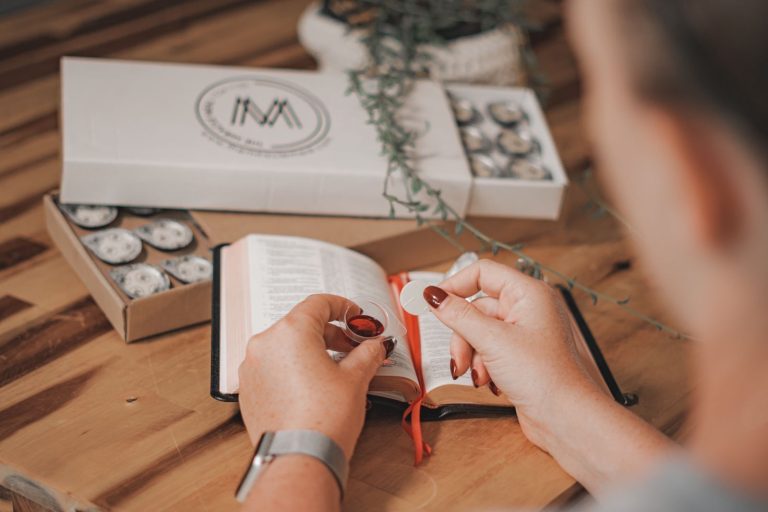
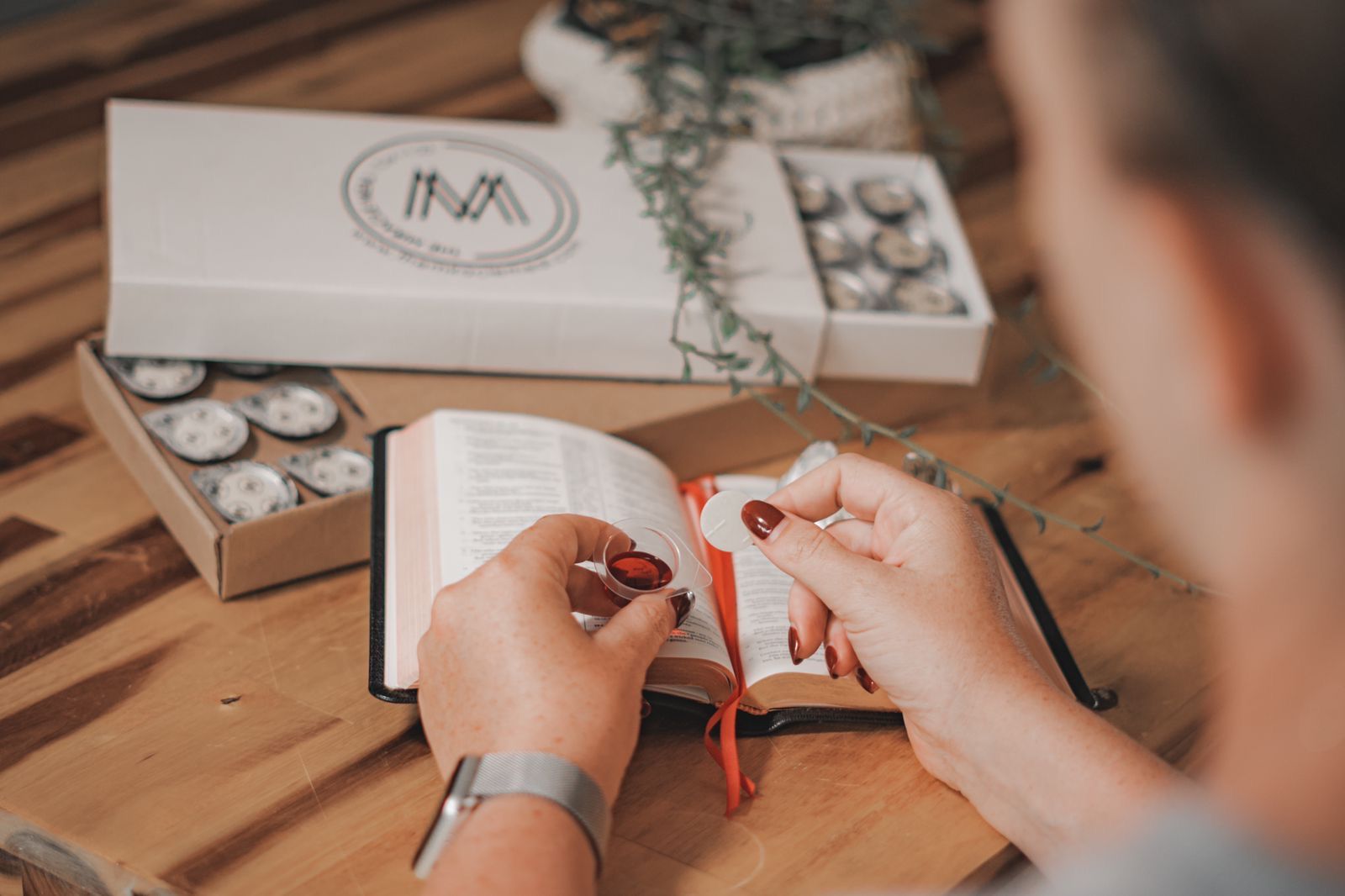
Practical realities matter as well. In remote areas where wine or fresh juice is hard to find, churches have long worked to source suitable grape products, sometimes relying on concentrates or shelf-stable options that travel well. Hot climates also affect how congregations store and prepare the elements, so freshness and hygiene often guide local choices.
How Believers Receive Communion
The way people come to the table is strongly shaped by tradition. In many Catholic parishes, people walk forward in a line and receive the host on the tongue or in the hand. In Anglican and Lutheran churches, people often kneel at a rail at the front of the sanctuary.
Orthodox Christians receive the bread and wine together from a spoon. Some churches use intinction, where the bread is dipped into the cup. Others pass trays down the rows so everyone can eat and drink at the same moment as one body, a common sight in evangelical and Reformed congregations.
Cultural differences in communion also show up in matters of hygiene and comfort. Some communities hold firmly to the common cup as a sign of unity, while others prefer individual cups. These became popular in the late nineteenth century and gained even more ground after recent public health concerns.
How Often Churches Gather at the Table
Frequency is another area where practice varies widely. Catholic and Orthodox churches celebrate the Eucharist at every Sunday service and often during the week. Many Anglican, Lutheran and Churches of Christ congregations also share communion weekly, seeing it as central to Christian worship.
Other churches observe it monthly or quarterly, believing that less frequent celebration keeps the moment special. In some rural regions, communion depends on when an ordained minister can visit, so whole communities may wait weeks or months and then gather in large numbers when the day arrives.
Special occasions bring their own customs. In many Catholic communities across Latin America and parts of Asia, a child’s First Communion is a major family celebration with white clothing, photographs and a shared meal. Easter, Christmas and large conferences also draw crowds that turn communion into a truly communal event.
In Conclusion
Communion takes many forms across the globe, from leavened bread on a spoon to small cups passed down a row. Yet beneath every variation in elements, posture and frequency lies the same command to remember Christ and the same hope that unites His followers in every culture.
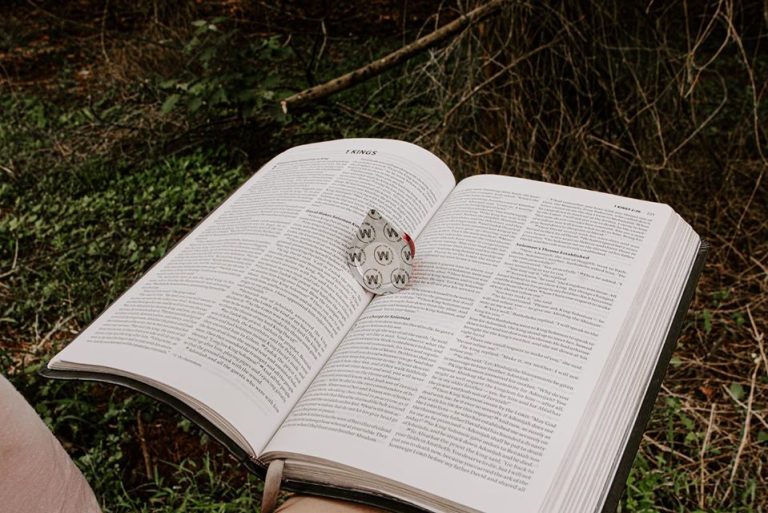
Whether your church gathers weekly or celebrates communion at large events, preparing the elements should never distract from the moment itself. Our pre-filled communion cups are made to serve congregations of every size with quality and consistency. Visit our website to order communion cups for your next service or gathering.